
Make Space for Deep Work Every Week
Today we explore ‘Meeting Minimalism: Crafting Weekly Cadences that Protect Deep Work,’ translating the idea into practical rhythms you can adopt immediately. Expect actionable tactics, candid stories, and simple experiments to help your calendar stop stealing attention, while your best thinking finally gets consistent, protected, high-energy hours.
The Cost of Context Switching

Research on attention residue shows tasks cling to the mind after switching, diluting capacity even when we think we moved on. Every meeting midmorning slices the afternoon’s potential, splitting depth into fragments. Design fewer handoffs, batch decisions, and protect contiguous blocks so your brain can sink, synthesize, and surface with clearer insight.
Quantifying Meeting Load

A simple audit reveals patterns: hours above twenty per week correlate with slower shipping and more after-hours catchup. Cap recurring events, consolidate status into dashboards, and reserve one daily window for collaboration. Track meeting count, cancellation rate, and deep-hour totals to steer culture with data, not complaints or wishful thinking.
A Tuesday With No Pings

One manager cancelled everything between ten and three on Tuesdays for a month, asking teammates to bundle questions or write first. Output doubled on strategic work, and nobody missed the noise. The experience taught the team that silence is not absence; it is the condition for creative progress and kinder pacing.
Designing a Weekly Cadence That Shields Focus
Structure beats willpower. A durable weekly rhythm places deep sessions before the world wakes and clusters collaboration into predictable, shared windows. People then plan around clarity rather than chasing availability. With guardrails visible on every calendar, flow becomes routine, decisions avoid thrash, and teams feel both coordinated and generously unhurried.
Guardrail Calendar Architecture
Block two to four mornings for deep work, mark one or two afternoons for collaborative blocks, and leave margins for breathing. Color-code purpose, not people. Default to private events labeled focus. When exceptions arise, trade, do not add, maintaining a steady footprint that protects energy and expectations week after week.
The 90-Minute Deep Work Pulse
Ninety minutes hits a sweet spot: long enough to descend and produce meaningful artifacts, short enough to repeat. Begin with a start cue, silence inputs, and prepare a single objective. End with a short log and next-step decision, reducing restart friction and giving the day a satisfying, repeatable beat.
Office Hours as a Pressure Valve
Instead of endless check-ins, offer two predictable slots weekly where anyone can drop by or book quick time. Most questions resolve asynchronously before then, while tougher issues gather context. The ritual signals availability without sacrificing focus, and trust grows when access is reliable yet intentionally bounded by purpose and time.
Minimalist Meeting Principles
When meetings happen, insist they earn their existence. Clarity of purpose, succinct preparation, and decisive outcomes prevent drift. Favor small groups, short durations, and written prework. Cancel when conditions are not met. By making gatherings rare and sharp, you protect momentum and leave people energized rather than quietly depleted.
Asynchronous Collaboration That Actually Works
{{SECTION_SUBTITLE}}

Write First, Talk Later
Draft a concise memo outlining context, constraints, options, and a recommendation. Invite comments directly in the document, and set a deadline for decisions. If questions persist after thoughtful review, meet briefly. This path honors thinking time, avoids repetition, and produces a durable artifact that survives beyond whoever attended.

Decision Logs Beat Recaps
Capture key choices in a shared log with date, owner, rationale, and links to supporting materials. This replaces scattered summaries and uncertain memories. People onboard faster, conflicts shrink, and accountability improves. When disagreements surface, the record shows context, reducing cycles of rehashing and rescuing valuable hours from unnecessary debate.
Monday Intent Alignment in Fifteen Minutes
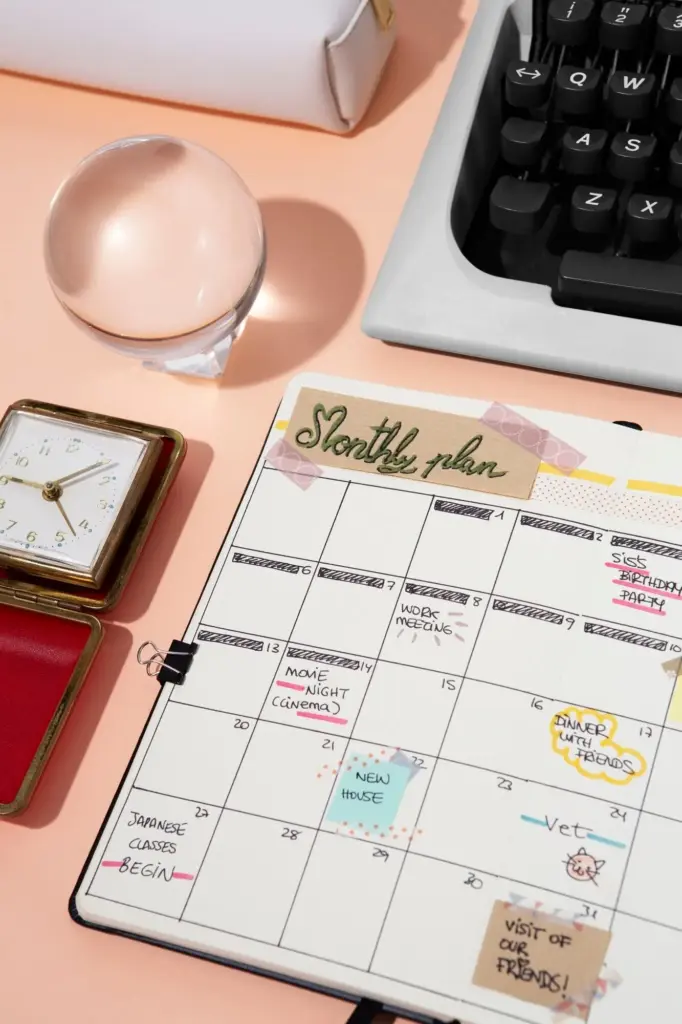
Start with a short check-in focused on goals, risks, and interdependencies, not status. Everyone shares one commitment and one constraint. Finish with clear ownership and times when help is available. By trimming ceremony, you create orientation without stealing the prime morning hours needed for deep, uninterrupted creation.
Wednesday Review Without the Room

Midweek, publish a quick loom or short memo showing progress, blockers, and planned next steps. People react asynchronously, adding comments or decisions. No meeting needed unless a fork appears. This habit preserves momentum, surfaces issues early, and respects the midweek engine room meant for real production.
Friday Retrospects that Respect Energy
Close the week with lightweight reflection. What moved, what stalled, and what gets parked next week? Keep it under fifteen minutes or collect notes in writing. The point is learning without draining reserves, so weekends begin restored and Monday starts with intention rather than clutter.
Metrics, Experiments, and Continuous Improvement
{{SECTION_SUBTITLE}}
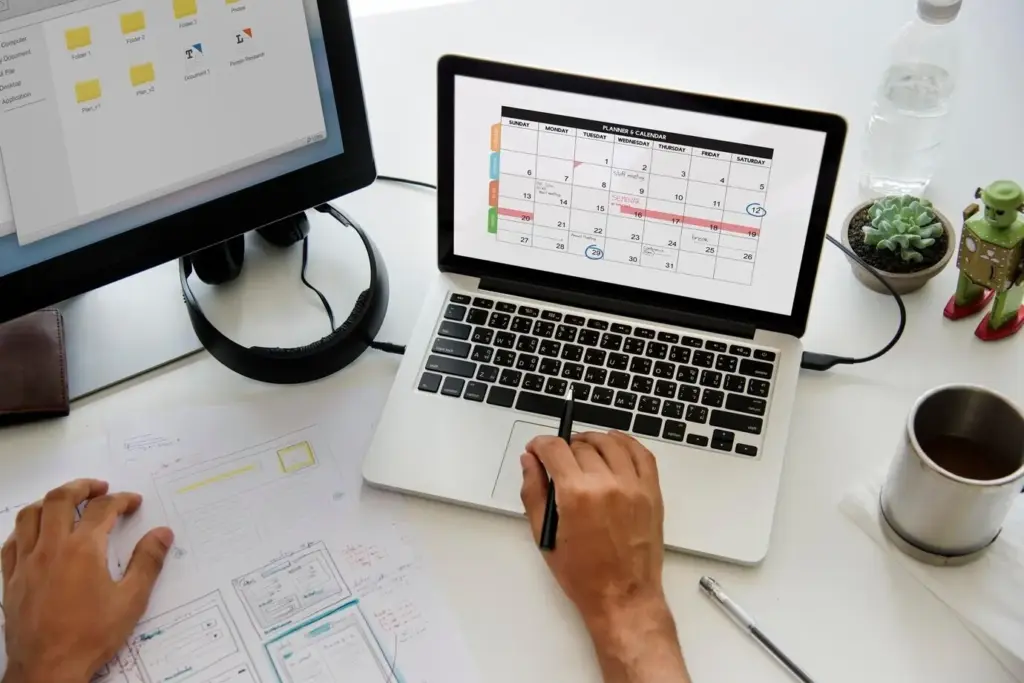
Measuring What Matters to Focus
Count weekly deep work blocks completed, not merely scheduled. Watch interruptions per hour, reschedules, and cancellations. Compare against output quality and lead time. When numbers drift, examine causes without blame. Measurement should illuminate bottlenecks and guide supportive adjustments, sustaining a culture where attention is prized and protected.

Two-Week Experiments, One-Page Results
Choose one change, define a hypothesis, and run it for two weeks. Capture base metrics, observations, and quotes. Publish a one-page readout with a keep, tweak, or drop decision. Iteration lowers resistance and helps teams discover local solutions that fit their constraints, tools, and personalities.
All Rights Reserved.