Unlock Collective Energy With Body-Clock-Aware Work

Today we dive into chronotype-based scheduling for teams to boost wellbeing and output, translating circadian science into everyday decisions about meetings, deep work, and handoffs. Expect practical steps, humane guardrails, and real stories that show how honoring larks, hummingbirds, and owls lifts morale, focus, and results. Bring your curiosity, share your experiences, and imagine a cadence where deadlines feel achievable, mornings feel lighter, evenings feel calmer, and collaboration flows because energy peaks finally match the work that truly matters.

The Body Clock 101 Every Manager Should Know
Before reshaping schedules, ground your approach in clear, accessible science. Circadian rhythms influence alertness, creativity, and recovery, while sleep pressure and light exposure modulate timing. When teams align work intensity with natural peaks, engagement rises, burnout falls, and quality improves. This isn’t about coddling preferences; it’s about matching tasks to cognitive states. Think strategic planning during high alertness, routine tasks during dips, and creative sprints when associative thinking peaks. Start with shared language and a willingness to learn from data, not assumptions.

Turn Daily Peaks Into Intentional Workflows

Mapping energy across the week transforms hunches into evidence. When teams visualize peaks for focus, collaboration, and recovery, they can place deep work, meetings, and handoffs where they thrive. Use simple tools, not heavy surveillance, to protect trust. Expect patterns: Monday ramp-ups, midweek momentum, Friday wrap-ups. Respect time zones and caregiving windows. The goal isn’t perfect synchronization; it’s intelligent alignment that lowers rework, shortens meetings, and preserves wellbeing. Start light, iterate often, and treat insight as a living, shared resource.

Lightweight Surveys and Rhythm Diaries

Ask people to note two or three blocks when focus feels effortless and two or three blocks better suited for collaboration or routine tasks. Keep entries short and optional, and allow weekly updates to capture natural drift. Pair diaries with a simple check-in: What drained energy? What restored it? Over a month, you’ll spot consistent windows worth protecting. The act of noticing improves self-management, while aggregated insights help the team schedule deliberately, reducing friction and unnecessary context switching.

Visualizing Peaks With Simple Heatmaps

Translate diaries into color-coded heatmaps that show when high-focus, medium-focus, and social energy appear across the team. You don’t need precise timestamps; broad bands are enough to guide decisions. Overlay typical meeting durations and deadlines to reveal clashes and opportunities. Keep names off the shared view to protect privacy, and update monthly to reflect reality. These visuals become a common language that reduces debate, helps newcomers acclimate faster, and turns ‘I feel’ into ‘we can see and act responsibly.’

Respecting Time Zones and Seasonal Shifts

Distributed teams juggle daylight, cultural rhythms, and seasonal changes that impact alertness. Establish rotating meeting windows for fairness, then prioritize asynchronous updates to minimize disruption. Encourage individuals to adjust light exposure and routines as seasons shift, and revisit heatmaps quarterly. Treat daylight saving transitions as opportunities to recheck overlap. This respect prevents chronic sleep debt, reduces resentment, and supports inclusion. When people know the system flexes with reality, they contribute more openly, and collaboration becomes smoother and kinder.

Frameworks That Balance Flexibility and Flow

Great schedules emerge from clear principles, not endless exceptions. Define a small set of norms that empower autonomy: protected deep-work blocks, transparent response expectations, and predictable collaboration windows. Match work type to energy: ideation during creative peaks, decisions during collective clarity, admin during natural dips. Create lightweight rituals for handoffs and status updates so progress never depends on one person’s clock. With a shared framework, individuals personalize without chaos, and teams move faster with less stress and fewer meetings.

Core Hours With Flexible Edges

Agree on a modest daily overlap—perhaps two to three hours—where live collaboration happens, then let individuals shape the edges for deep work or personal demands. Document expectations for response times and escalation paths so urgency is handled fairly. Protect no-meeting zones during common focus peaks. This model builds predictability without rigidity, empowering parents, caregivers, and night owls alike. The result is fewer scheduling battles, clearer commitments, and a rhythm that respects both output and human energy.

Meeting Windows by Work Type

Classify meetings: alignment, decision, creative jam, or status. Assign each type a preferred time window based on collective energy maps. Decisions deserve the clearest hours; creative work pairs well with everyone’s peak associative thinking; status fits dips or async. Cap durations and publish agendas early. End five minutes before the half hour to preserve buffer. Move informational updates into written briefs. By aligning format and timing, meetings shrink, outcomes improve, and people leave energized rather than drained.

Leading So Everyone’s Clock Can Shine

Culture either amplifies or undermines smart schedules. Leaders set the tone by modeling flexibility, resisting presenteeism, and celebrating outcomes over hours. They normalize calendar transparency, protect deep work, and call out inequities when they appear. Role-modeling small behaviors—like delaying email sends, honoring no-meeting zones, and rotating meeting times—builds trust. When people feel seen, they volunteer better ideas and request help earlier. The payoff is sustained performance, less attrition, and a reputation for humane excellence that attracts diverse talent.

Calendars, Automation, and Wellbeing Guardrails

Tools should simplify, not surveil. Use calendars and work management systems to encode agreements: color-coded deep work, protected recovery blocks, and async-first defaults. Automations can route requests into queues, suggest meeting times within agreed windows, and nudge people to capture decisions in writing. Set guardrails that prevent excessive after-hours pings and encourage regular breaks. Technology becomes an ally when it protects attention and rest, reduces misfires, and gently guides everyone back to sustainable, respectful rhythms.

Calendar Taxonomy That Simplifies Choices

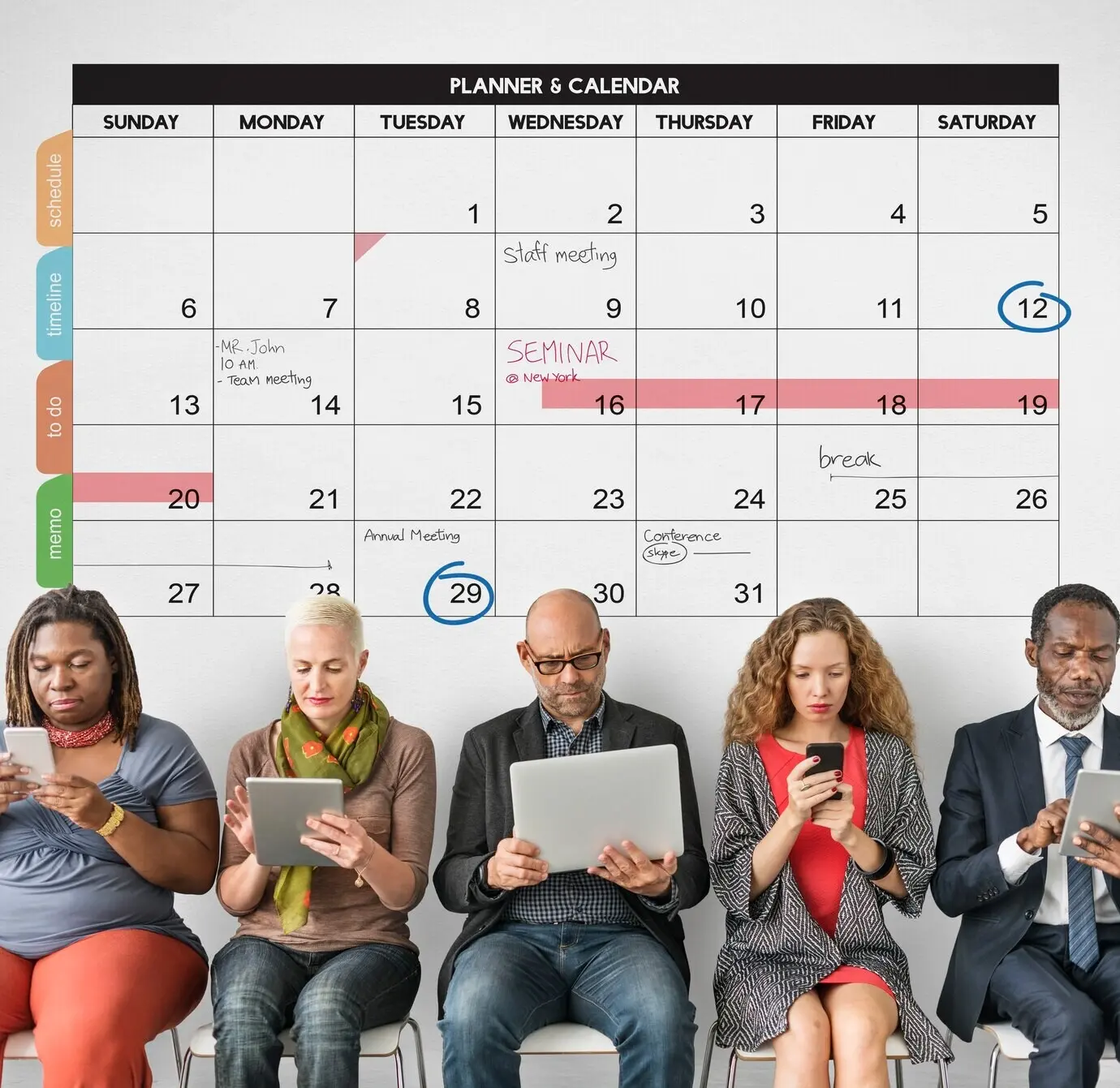
Adopt a shared legend: Focus, Collaboration, Admin, Recovery. Tie each label to rules about duration, audience, and location. Mark deep work as private but visible, so others understand it is real and protected. Publish weekly templates that illustrate ideal flows, while leaving space for personal adjustments. This light structure reduces negotiation overhead and clarifies tradeoffs. Over time, the taxonomy becomes muscle memory, trimming meetings, anchoring priorities, and keeping energy aligned with the work that matters most.

Automation to Protect Deep Work and Rest

Enable autoresponses that set expectations during focus blocks and outside agreed windows. Use booking links constrained to collaboration hours. Configure bots to summarize threads and surface decisions, decreasing meeting dependence. Schedule digest emails instead of constant notifications. Consider quiet hours and send-time delays to reduce social pressure to reply. Automation should feel like a helpful assistant, not a gatekeeper—always adjustable by humans. Done well, it shields attention, distributes load more evenly, and honors recovery as strategic fuel.

Wellbeing Nudges That People Actually Like

Nudges work when they are respectful and actionable. Offer gentle prompts to stand, hydrate, or step into daylight; suggest reclaiming buffers after long sessions; celebrate streaks of protected deep work rather than time-online. Pair nudges with opt-in controls and privacy guarantees. Surface personal insights—like patterns of overcommitment—only to the individual. Team-level dashboards should aggregate trends, not expose people. When nudges feel supportive, not judgmental, they become trusted companions that sustain energy without eroding autonomy or dignity.

Metrics, Experiments, and the First 30 Days

Chronotype-aware work should prove itself with evidence. Track leading indicators—calendar quality, meeting load, focus time, sleep self-reports—alongside output and defect rates. Run small experiments: move decision meetings into collective clarity windows, protect deep work during peaks, shift status to async. Share results openly, celebrate improvements, and learn from misses. Start small, expand steadily, and invite stories that numbers cannot capture. Within a month, momentum grows as people feel better, think clearer, and deliver more sustainably.
Mepapokitopipe
Privacy Overview

This website uses cookies so that we can provide you with the best user experience possible. Cookie information is stored in your browser and performs functions such as recognising you when you return to our website and helping our team to understand which sections of the website you find most interesting and useful.